Short answer: Pet carriers use 600D-1680D polyester, EVA mesh, padded foam and durable zippers; choose abrasion-resistant, washable, REACH/RoHS-compliant materials. BATELI PET offers these as OEM from 50 pcs with BSCI, SGS and ISO 9001 certification.
The quality of a pet carrier comes down to its materials. Cheap fabrics tear, poor mesh breaks, and inferior zippers fail—potentially putting your pet at risk. This guide covers everything you need to know about pet carrier materials, from fabric weights and mesh quality to zipper brands and safety standards. For retailers and brands, understanding these materials helps you source quality products and communicate value to customers.
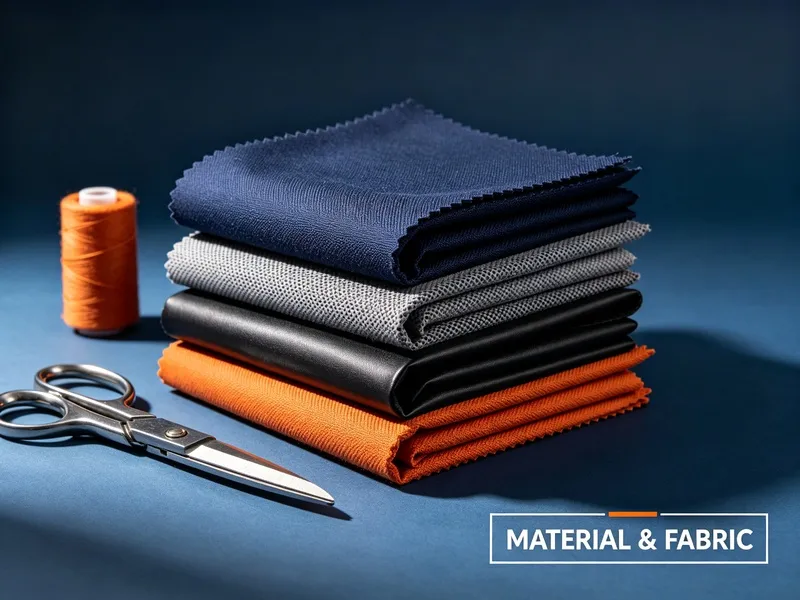
1. What Fabric Materials Are Used in Pet Carriers?
Oxford Cloth (Most Common)
Oxford cloth is the most widely used fabric for pet carriers due to its durability, water resistance, and affordability. It’s a plain-woven fabric typically made from polyester or nylon.
| Weight | Durability | Best For | Price Point |
|---|---|---|---|
| 420D | Basic | Light use, sling carriers | Budget |
| 600D | Good | Everyday carriers, backpacks | Mid-range |
| 900D | Very good | Heavy use, rolling carriers | Premium |
| 1200D | Excellent | Professional, outdoor, large pets | Luxury |
| 1680D | Superior | Military-grade, extreme use | Ultra-premium |
Recommendation: 600D is the sweet spot for most pet carriers—good durability at a reasonable price. 900D+ for premium or heavy-duty models. Avoid 420D for anything other than light-use sling carriers.
Canvas
Canvas is a heavy-duty, natural fabric made from cotton or linen. It offers a premium, stylish look and excellent durability, but is heavier and less water-resistant than Oxford cloth.
- Pros: Premium aesthetic, durable, natural material, ages well, recyclable
- Cons: Heavier, less water-resistant, more expensive, requires more care
- Best for: Premium brands, fashion-forward carriers, urban pet owners
- Common weights: 12oz, 16oz, 18oz, 24oz
Nylon
Nylon is a lightweight, synthetic fabric known for its water resistance and durability. It’s commonly used in travel and outdoor pet carriers.
- Pros: Lightweight, water-resistant, durable, easy to clean, affordable
- Cons: Less premium feel, can be noisy, less breathable
- Best for: Travel carriers, airline-approved, outdoor use
- Common types: Ripstop nylon, ballistic nylon, cordura nylon
Vegan Leather / PU Leather
Vegan leather accents add a premium look to pet carriers without the cost or ethical concerns of real leather. It’s commonly used for trim, handles, and logo patches.
- Pros: Premium look, easy to clean, water-resistant, affordable, cruelty-free
- Cons: Less durable than fabric, can peel over time, less breathable
- Best for: Premium brand positioning, fashion carriers, accent pieces
2. How Does Mesh Quality Affect Ventilation?
Mesh is arguably the most critical component of a pet carrier. Poor quality mesh can tear, allowing pets to escape, or restrict airflow, leading to overheating. Here’s what to look for:
Mesh Types
| Type | Material | Durability | Airflow |
|---|---|---|---|
| Standard polyester mesh | Polyester | Good | Good |
| Nylon mesh | Nylon | Very good | Excellent |
| PVC-coated mesh | Polyester + PVC | Excellent | Reduced |
| Steel mesh | Steel wire | Superior | Good |
| Tear-resistant mesh | High-tenacity polyester | Excellent | Good |
Key Mesh Quality Indicators
- Hole size: Small enough to prevent paws/heads from getting stuck (typically 2-5mm), large enough for airflow
- Thread count: Higher thread count = more durable. Look for 100+ gsm mesh weight
- Reinforced edges: Mesh should be sewn with binding or reinforced tape to prevent fraying
- UV resistance: Mesh should not degrade or become brittle in sunlight
- Tear strength: Quality mesh resists tearing from claws and teeth. Test by pulling firmly—if it tears easily, avoid it
- Ventilation coverage: At least 3 sides should have mesh for cross-ventilation. Avoid carriers with only 1-2 mesh panels
Space Capsule Windows
Space capsule carriers use transparent windows instead of mesh. Quality indicators include:
- Material: Polycarbonate (PC) is preferred over acrylic (PMMA) for impact resistance
- Thickness: Minimum 2mm, preferably 3mm for durability
- Ventilation holes: Must have proper ventilation holes around the window perimeter
- Scratch resistance: Should resist scratching from claws. Anti-scratch coating is a plus
- Clarity: Should be optically clear, not cloudy or distorted
3. What Zippers and Hardware Should You Look For?
Zipper Quality
Zippers are a common failure point on pet carriers. A broken zipper can lead to escape or injury. Quality indicators:
| Brand | Quality | Best For | Cost |
|---|---|---|---|
| YKK | Premium | High-end brands, heavy use | High |
| SBS | Good | Mid-range brands | Medium |
| YCC | Good | Mid-range, value | Medium |
| Generic/unbranded | Variable | Budget, light use | Low |
Zipper features to look for:
- Locking zippers: Zippers that lock or have clips to prevent pets from opening from inside. Essential safety feature.
- Double zippers: Two zipper pulls allow opening from either side and provide redundancy
- Zipper size: #5 or #8 zippers for durability. #3 is too small for pet carriers.
- Zipper tape: Woven tape should be durable and resistant to fraying
- Slider quality: Metal sliders are more durable than plastic
Hardware (Buckles, Rings, Clips)
- Buckles: Side-release buckles for straps. ITW Nexus, Duraflex, or Woojin are quality brands. Avoid cheap plastic buckles that break easily.
- D-rings and O-rings: Welded metal rings for leash attachment and safety tethers. Pressed rings can pull apart under load.
- Safety clips: Metal swivel clips for internal safety tethers. Should be rated for the pet’s weight.
- Strap adjusters: Metal or heavy-duty plastic sliders for strap length adjustment
- Wheel assemblies: For rolling carriers, look for durable plastic or rubber wheels with metal axles
4. What Padding and Comfort Materials Are Best?
Base Padding
- EVA foam: Most common, lightweight, water-resistant, holds shape well. Look for 5-10mm thickness.
- PE board: Rigid base insert that prevents sagging. Essential for carriers carrying 10+ lbs.
- Memory foam: Premium option for comfort, but heavier and more expensive. Best for senior pets or long trips.
- Cotton batting: Soft but compresses over time. Not recommended for base padding.
- Fleece cover: Removable, washable fleece or sherpa cover for comfort. Should be machine-washable.
Shoulder Strap Padding
- EVA foam padding: Standard, lightweight, good cushioning
- Memory foam: Premium, molds to shoulder, best for heavy loads
- Mesh padding: Breathable, good for hot weather, but less cushioning
- Thickness: Minimum 10mm, preferably 15-20mm for backpacks carrying 15+ lbs
- Back panel: Padded, breathable back panel essential for backpack carriers. Look for mesh-covered foam with airflow channels.
5. What Coatings and Treatments Are Used on Pet Carriers?
Water-Resistant Coatings
- PU coating: Polyurethane coating on the back of fabric. Most common, provides good water resistance. Look for 1000mm+ hydrostatic head rating.
- PVC coating: Heavier, more durable, but less flexible. Common on budget carriers.
- DWR (Durable Water Repellent): Surface treatment that causes water to bead. Wears off over time, can be reapplied.
- TPE coating: Thermoplastic elastomer, eco-friendly alternative to PVC. Flexible and durable.
Safety Treatments
- Flame retardant: Required for some airline and commercial applications. Look for CFR-1633 or similar standards.
- Anti-microbial: Prevents bacterial growth and odors. Useful for pets that have accidents.
- Anti-UV: Prevents fabric degradation in sunlight. Important for outdoor use.
- Non-toxic dyes: Ensure fabrics use non-toxic, AZO-free dyes. Pets may chew on fabric.
- REACH compliance: EU regulation restricting hazardous chemicals. Essential for European market.
6. How Do You Assess Stitching and Construction Quality?
Even the best materials fail with poor construction. Quality indicators for stitching:
- Stitch count: Minimum 8-10 stitches per inch (SPI). More stitches = stronger seam, but too many can weaken fabric. 10-12 SPI is ideal for pet carriers.
- Seam type: French seams or bound seams for durability. Avoid plain seams on load-bearing areas.
- Stress point reinforcement: Straps, handles, and D-ring attachments should have box stitching or bartack reinforcement.
- Thread quality: Bonded nylon or polyester thread for durability. Cotton thread rots and breaks.
- Edge finishing: Raw edges should be bound, serged, or folded to prevent fraying.
- Zipper installation: Zippers should be sewn with double stitching and have fabric stops at both ends.
- Mesh attachment: Mesh should be sewn with binding or reinforced tape, not just raw edge stitching.
7. What Material Safety Standards and Certifications Apply?
| Standard | Region | What It Covers |
|---|---|---|
| REACH | EU | Restricts hazardous chemicals in fabrics and materials |
| CPSIA | USA | Lead and phthalate limits (for products that may contact children) |
| Prop 65 | California, USA | Warning requirements for chemicals known to cause cancer/reproductive harm |
| CE | EU | General safety, health, and environmental requirements |
| Oeko-Tex Standard 100 | Global | Textile safety, tests for harmful substances |
| BSCI | Global | Ethical manufacturing and social compliance |
| ISO 9001 | Global | Quality management system |
8. How Do You Test Pet Carrier Material Quality?
Before placing a bulk order, test samples using these methods:
- Tear test: Pull firmly on mesh and fabric at stress points. Quality materials should not tear easily.
- Zipper test: Open and close zippers 50+ times. They should operate smoothly without catching or sticking.
- Water test: Sprinkle water on the fabric. Quality water-resistant fabric should bead and roll off, not soak through.
- Weight test: Place the rated weight inside and lift/carry. The base should not sag excessively, and straps should not stretch.
- Stitch inspection: Examine stitching under magnification. Look for consistent stitch count, no skipped stitches, and reinforced stress points.
- Smell test: Quality materials should not have strong chemical odors. Strong smells may indicate harmful chemicals or poor quality.
- Scratch test: Rub mesh with a key or coin. Quality mesh should not scratch or tear easily.
- Wash test: Wash the removable pad according to instructions. It should maintain shape and not fall apart.
9. custom material specifications via OEM Material Customization with BATELI PET
BATELI PET offers comprehensive material customization for your brand:
- Fabric selection: 600D/900D/1200D Oxford, canvas, nylon, vegan leather, recycled PET
- Color matching: Pantone color matching for fabrics, zippers, straps, mesh
- Mesh upgrades: Tear-resistant mesh, PVC-coated mesh, custom colors
- Hardware upgrades: YKK zippers, ITW/Duraflex buckles, metal hardware
- Padding upgrades: Memory foam, EVA, sherpa, fleece covers
- Coatings: PU, TPE, DWR, anti-microbial, UV-resistant
- Certifications: REACH, CPSIA, Prop 65, Oeko-Tex compliant materials available
- MOQ from 50 pcs for standard materials, 500+ for custom dye lots
Source Quality Pet Carriers from BATELI PET
BATELI PET is a China-based pet carrier manufacturer with 20+ years experience. We use quality materials (600D+ Oxford, tear-resistant mesh, YKK zippers available) and hold BSCI/ISO certifications. All materials comply with REACH, CPSIA, and Prop 65 standards.
Contact us today:
- WhatsApp: +86 133 8657 5871
- Email: pet@batelipet.com
- MOQ from 50 pcs · Sample 7-15 days · Bulk 25-35 days
- 1000+ designs · OEM/ODM custom · BSCI/ISO certified
? Retailer Tip: When comparing carrier prices, always compare material specifications—not just price. A $1.50 carrier with 420D fabric and generic zippers is a worse value than a $2.00 carrier with 600D fabric and YKK zippers. Educate your customers about material quality in product descriptions—this justifies higher price points and reduces returns. Request material swatches and test reports before placing bulk orders. Always ask for REACH/CPSIA compliance certificates.
Ready to source pet travel products for your business? Request a quote or reach us on WhatsApp at +86 133 8657 5871 — our team replies within 24 hours. You can also email us at pet@batelipet.com.
Frequently Asked Questions
Which fabric is best for a durable pet carrier?
600D to 1680D polyester offers the best balance of durability, weight and washability for everyday carriers, with reinforced mesh for ventilation.
How do I check material safety for EU and US markets?
Request REACH and RoHS test reports. BATELI PET provides these with bulk orders, along with BSCI and ISO 9001 factory documentation.
Can I choose different materials per SKU?
Yes. Mix materials across your product line; OEM MOQ starts at 50 pcs per colour/style and sampling takes 7-15 days.
What certifications back your material quality?
Our 20+-year factory is BSCI audited, SGS and ISO 9001 certified, exporting to 50+ countries with 80,000+ units monthly capacity.