Short answer: Clean fabric pet carriers by hand-washing with mild soap, air-drying mesh away from heat, and disinfecting zippers monthly. BATELI PET builds carriers from REACH/RoHS-compliant, washable fabrics with MOQ from 50 pcs and 20+ years of manufacturing experience.
Pet carriers take a beating — fur, saliva, mud, food crumbs, and occasional accidents all end up inside them. For brands and retailers, a carrier that is hard to clean becomes a returns problem and a negative-review magnet. The good news: most fabric, mesh, and zipper damage is preventable with a straightforward cleaning routine. This guide walks you through material-specific cleaning methods, mesh care, zipper maintenance, odor removal, and daily habits that extend carrier lifespan — so your customers keep their carriers (and your brand reputation) in top shape.
Why Pet Carrier Maintenance Matters for Your Brand
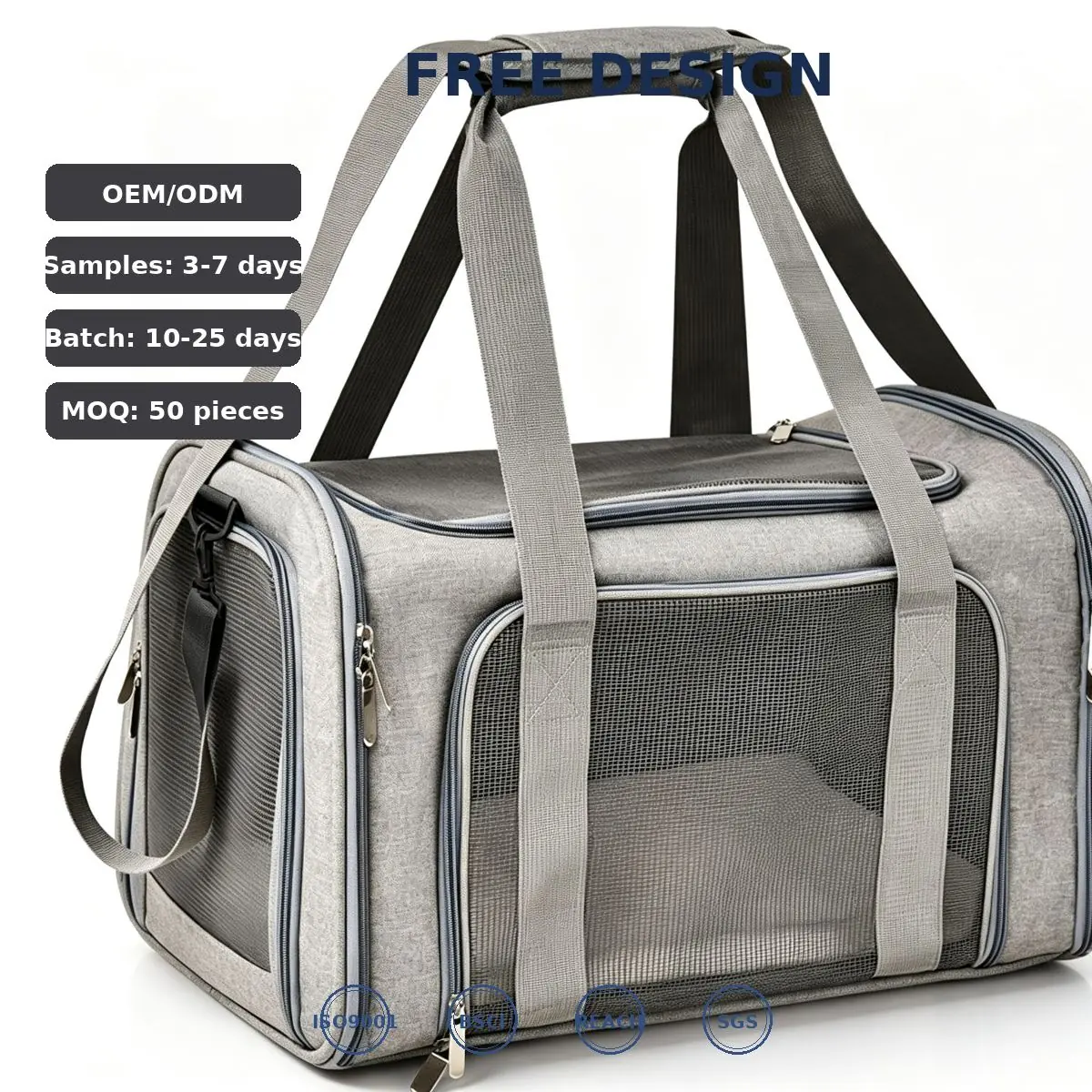
A pet carrier is a high-contact product. Customers use it for vet visits, car trips, air travel, and daily commutes. Every use introduces dirt, moisture, and organic matter that can degrade fabric, clog zippers, and trap odors. When a carrier starts to smell or show wear after just a few months, the customer blames the product — not their cleaning habits.
For B2B buyers, this means maintenance-friendliness is a selling point, not an afterthought. Carriers built with machine-washable fabrics, rust-resistant zippers, and stain-resistant materials command higher repeat-purchase rates and lower return rates. Providing clear care instructions on packaging and product pages also reduces customer service inquiries. At BATELI PET, we design our pet carrier collection with easy maintenance as a core engineering requirement — durable fabrics, corrosion-proof hardware, and removable pads that simplify cleaning.
Cleaning by Material Type
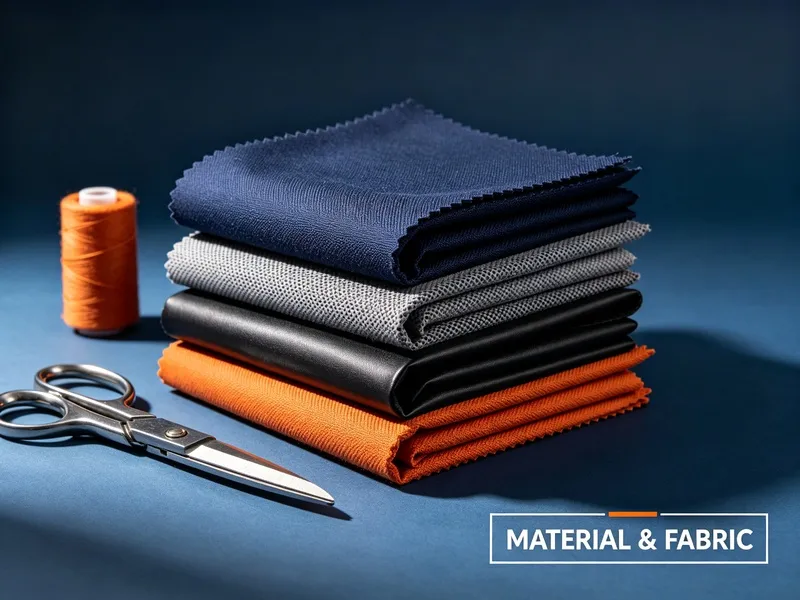
Different fabrics require different approaches. Using the wrong method — say, a stiff brush on mesh or bleach on nylon — can void the product’s usable life and create warranty headaches.
Nylon and Polyester Carriers
Nylon and polyester are the most common carrier fabrics because they are lightweight, water-resistant, and durable. For routine cleaning, wipe the exterior with a damp microfiber cloth and a small amount of mild, pet-safe detergent. For deeper stains, use a soft-bristle brush (nylon, not metal) with a solution of warm water and enzyme-free detergent. Avoid bleach — it weakens nylon fibers and can cause discoloration. Most nylon/polyester carriers can be hand-washed or spot-cleaned; check the care label before machine washing.
Canvas Carriers
Canvas is heavier and more absorbent than nylon. It holds stains and odors more readily, so prompt cleaning is essential. Use a stiff nylon brush with warm, soapy water to scrub stained areas, then rinse thoroughly and air-dry completely. Canvas should never be put in a dryer — heat can shrink the fabric and warp the carrier’s structure. For mold or mildew, a solution of one part white vinegar to four parts water can be applied before regular washing.
Mesh Panel Care — What to Avoid
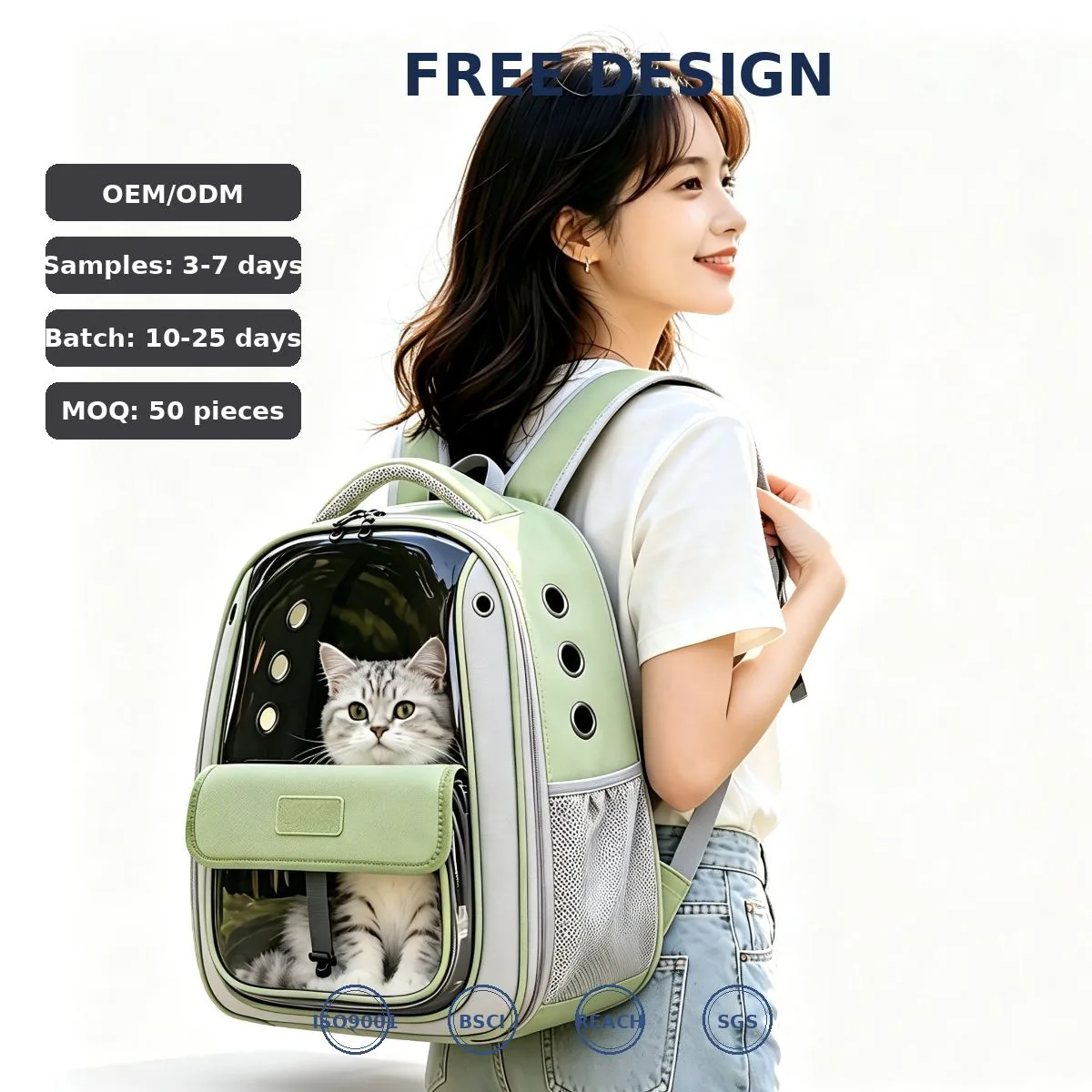
Mesh panels are critical for ventilation, especially in airline-approved carriers, but they are also the most damage-prone part of a carrier. The number one mistake is using a stiff or wire-bristle brush on mesh — it catches and tears the fine netting, creating holes that pets can claw through or escape from.
Instead, clean mesh with a soft sponge or microfiber cloth dampened with mild soapy water. Gently wipe in a side-to-side motion, applying minimal pressure. For dried mud or debris, first use a vacuum with a brush attachment on low suction to loosen particles, then wipe. Never use abrasive cleaners, scouring pads, or pressure washers on mesh. If a mesh panel develops a small tear, it should be repaired or replaced promptly — a pet that claws at a weak spot can quickly turn a pinhole into an escape route.
Zipper Maintenance and Lubrication
A stuck zipper is one of the most common customer complaints about pet carriers — and one of the most preventable. Zippers on pet carriers are exposed to dirt, pet hair, saliva, and moisture, all of which can cause the slider to jam or the teeth to corrode.
The first step is regular cleaning. Use an old toothbrush to gently scrub zipper teeth with warm, soapy water, removing trapped hair and debris. Rinse with a damp cloth and dry thoroughly. For zippers that feel stiff or sticky, apply a small amount of zipper lubricant (silicone-based or beeswax) along the teeth. Avoid oil-based lubricants like WD-40 — they attract dirt and can stain fabric. If a zipper slider is bent or the teeth are misaligned, it may need replacement rather than lubrication.
At BATELI PET, we use rust-resistant, heavy-duty zippers on all our carriers. Our OEM customization services allow you to specify zipper type, color, and even anti-escape double-zipper designs for high-security applications.
Odor Removal Strategies
Even with regular cleaning, pet carriers can develop persistent odors from accidents, spilled food, or prolonged use in humid conditions. The key to odor removal is addressing the source — bacteria and organic residue — rather than simply masking it with fragrance.
Start by emptying the carrier completely and removing any removable pads or liners. Vacuum the interior to remove hair and crumbs. Then, depending on the severity:
- Light odors: Air the carrier outdoors in direct sunlight for several hours. UV light kills odor-causing bacteria naturally.
- Moderate odors: Sprinkle baking soda generously inside the carrier and on any fabric surfaces, leave overnight (8–12 hours), then vacuum thoroughly. Baking soda absorbs odors without leaving residue.
- Strong odors or accidents: Use a pet-safe enzymatic cleaner designed to break down organic matter. Apply according to the product instructions, allow adequate dwell time, then blot and air-dry. Avoid using vinegar on nylon as it can weaken fibers over time.
Always ensure the carrier is completely dry before storing or using it again. Trapped moisture is the leading cause of mold and mildew growth inside carriers.
Extending Carrier Lifespan — Daily Care Routine
Preventive maintenance takes only a few minutes and can double or triple the usable life of a pet carrier. Encourage your customers to follow these simple habits:
- After each use: Empty debris, wipe down the interior with a damp cloth, and leave the carrier open to air-dry.
- Weekly: Vacuum the interior and inspect mesh panels for snags or tears. Wipe zippers with a dry cloth.
- Monthly: Perform a full deep clean — wash removable pads, spot-clean stains, lubricate zippers, and inspect all hardware.
- Before storage: Ensure the carrier is completely clean and dry. Store in a cool, dry place with the zipper partially open to allow air circulation. Avoid storing heavy items on top of the carrier, which can deform the frame.
How BATELI PET Carriers Are Built for Easy Maintenance
At BATELI PET, we have over 20 years of manufacturing experience producing pet carriers for brands and importers across 50+ countries. Our 2,600 m² factory and 180+ skilled workers produce 80,000+ units per month, all under a four-stage QC process with a defect rate below 0.8%.
Every carrier we manufacture is designed with maintenance in mind:
- Durable, washable fabrics: High-grade nylon and polyester that resist stains and withstand repeated cleaning.
- Rust-resistant zippers: Corrosion-proof hardware that keeps sliding smoothly even after exposure to moisture and dirt.
- Reinforced mesh: Tear-resistant ventilation panels that hold up to gentle cleaning and active pets.
- Removable pads: Machine-washable interior liners that make deep cleaning simple.
We hold BSCI, SGS, ISO 9001, REACH, and RoHS certifications, and we provide full compliance documentation for every order. Whether you need OEM customization with a 50-piece MOQ per color/style or ODM design services starting at 100 pieces per model, our team can build a carrier that is not only comfortable and safe for pets but also easy for your customers to clean and maintain.
Frequently Asked Questions
Can I put a pet carrier in the washing machine?
It depends on the carrier’s construction. Soft-sided carriers with removable frames and machine-washable fabrics can often be washed on a gentle cycle in a laundry bag. However, carriers with rigid frames, built-in wheels, or electronic components should be spot-cleaned only. Always check the manufacturer’s care label before machine washing.
How often should I clean my pet carrier?
For routine use, a quick wipe-down after each outing and a thorough deep clean once per month is recommended. If your pet has an accident, spills food, or the carrier gets wet, clean it immediately to prevent stains, odors, and mold growth.
What is the best way to remove pet urine odor from a carrier?
First, blot up as much liquid as possible with paper towels. Then apply a pet-safe enzymatic cleaner — these products contain bacteria that break down the uric acid crystals causing the odor. Allow the cleaner to sit for the recommended dwell time (usually 10–15 minutes), then blot and air-dry completely. Avoid using ammonia-based cleaners, as the smell can attract pets to re-soil the area.
How do I fix a stuck zipper on a pet carrier?
First, clean the zipper teeth with a soft toothbrush and warm soapy water to remove trapped hair and debris. If it is still stuck, apply a small amount of silicone zipper lubricant or beeswax along the teeth and gently work the slider back and forth. Never force a stuck zipper — this can break the slider or tear the fabric. If the zipper teeth are bent or corroded, replacement may be necessary.
Ready to Source Durable, Easy-to-Clean Pet Carriers?
Request a Free Quote | WhatsApp: +86 133 8657 5871 | pet@batelipet.com
Frequently Asked Questions
How do I wash a fabric pet carrier without damaging it?
Remove the pad, hand-wash the shell with mild soap and cold water, and air-dry. Avoid machine drying, which can warp mesh and shrink fabric. BATELI PET uses washable, colourfast materials.
How do I clean and protect zippers and mesh?
Wipe zippers with a damp cloth and run a dry bar of soap along the teeth for smooth operation. Keep mesh away from claws and high heat to avoid tears.
Can I order replacement parts in bulk?
Yes. For OEM brands we supply zippers, buckles and fabric as spare parts with bulk orders. MOQ from 50 pcs and 7-15 day sampling.
Are your carrier fabrics safe and compliant?
All materials meet REACH and RoHS standards. Our factory is BSCI, SGS and ISO 9001 certified and exports to 50+ countries.