Short answer: BATELI PET is an OEM/ODM pet carrier factory specializing in Amazon FBA seller sourcing: MOQ 50 units, 7-15 day sampling, 30-45 day production, and direct DDP shipping to Amazon FBA warehouses. We provide Amazon-ready packaging (retail boxes, hang tags, UPC barcodes, FBA prep), compliance documentation (CE, REACH, RoHS, CPC), and private label customization. 20+ years factory experience, 80,000+ monthly capacity, BSCI/SGS/ISO certified—sourcing direct from factory beats middlemen by 15-30% on landed cost.
What Are the 10 Biggest Pet Carrier Sourcing Mistakes for Amazon Sellers?
1. Choosing the Cheapest Supplier Without Verifying Quality
The lowest unit price almost always means lower quality — thinner fabric, weaker zippers, poor stitching, or substandard mesh. On Amazon, quality issues translate directly into negative reviews, returns, and A-to-Z claims. A carrier that costs $2 less per unit but generates a 15% return rate is far more expensive than a slightly higher-priced, better-built alternative. Always request physical samples before placing a bulk order, and inspect stitching, zipper smoothness, fabric weight, and frame rigidity.
2. Ignoring Product Certifications and Compliance
Pet products sold in the US and EU are subject to increasing regulatory scrutiny. While pet carriers are not always mandatory-certified, Amazon may require compliance documentation for certain materials — especially if the product is marketed as “airline approved” or made with treated fabrics. Missing CPC (Children’s Product Certificate) documentation, ASTM F963 compliance for certain components, REACH registration for the EU market, or RoHS compliance for any electronic components can result in listing removal or inventory destruction. Work with suppliers who can provide full compliance documentation upfront.
3. Overordering Without Validating Demand
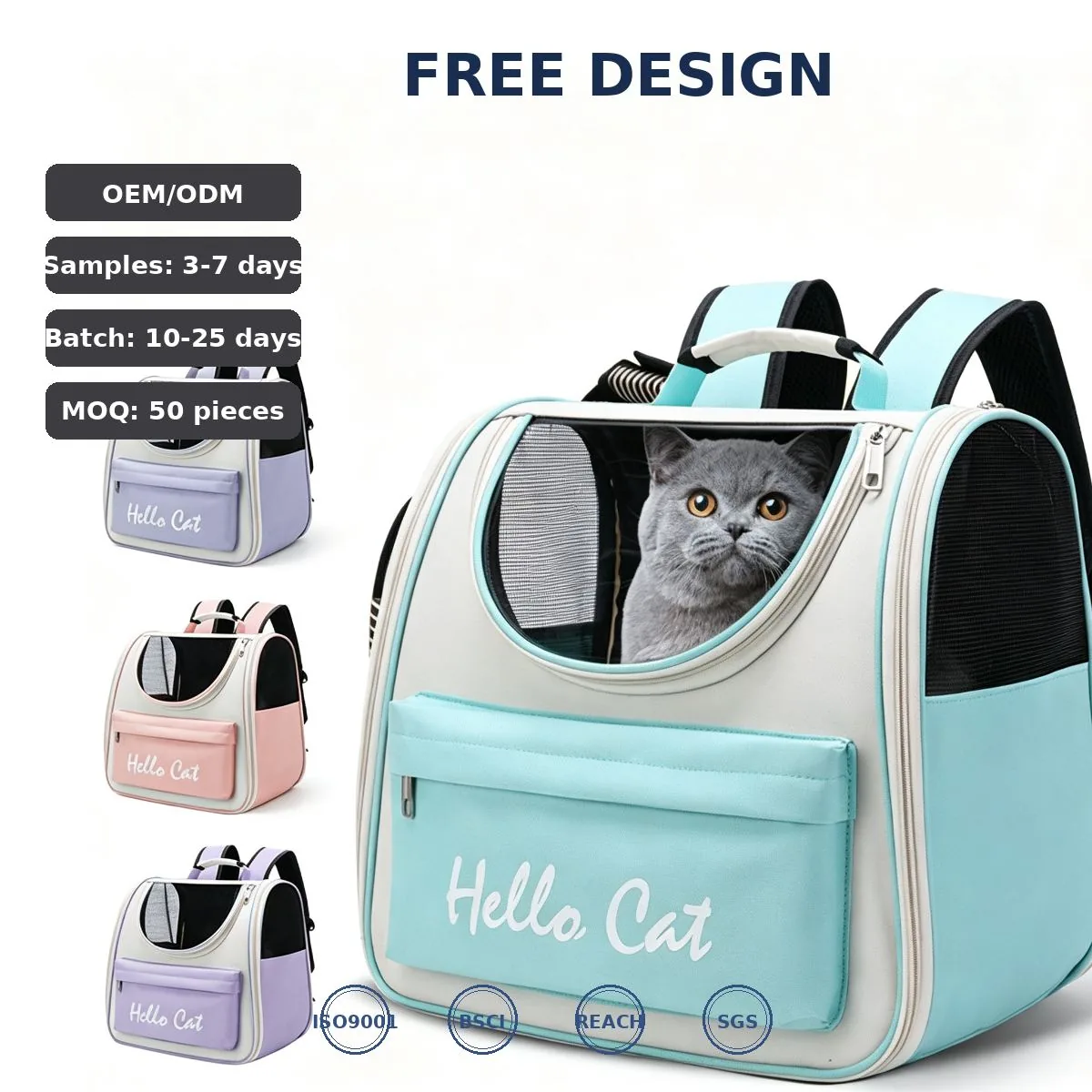
Many new Amazon sellers place large initial orders to get a lower per-unit price, only to discover that their chosen design, size, or color does not sell. Pet carriers have significant design variation — soft-sided, hard-shell, backpack, wheeled, space capsule — and customer preferences vary by season and region. Start with a smaller test order to validate demand, then scale up once you have sales data. A flexible MOQ (minimum order quantity) supplier is worth more than a slightly lower price from a supplier requiring 2,000-piece minimums.
4. Underestimating FBA Dimension and Weight Fees
Amazon’s FBA fees are calculated based on dimensional weight and product size tier. A pet carrier that is slightly over the “small standard” or “large standard” size threshold can jump into a much higher fee tier, eroding margins significantly. Before finalizing a design, calculate the exact packaged dimensions and compare them against Amazon’s current size and weight tiers. Sometimes a minor design adjustment — folding the frame more compactly or using a thinner shipping box — can keep the product in a lower fee tier and save $3–$5 per unit in fulfillment costs.
5. Neglecting Packaging and Labeling Requirements
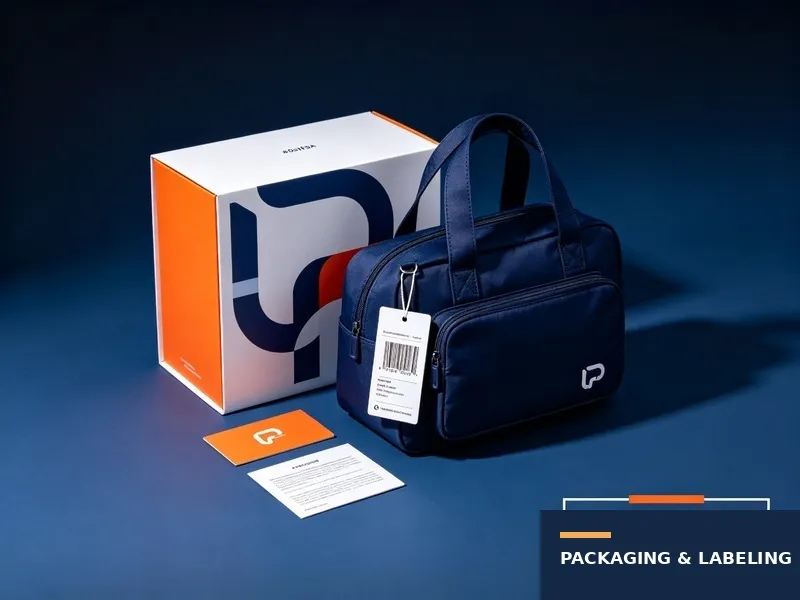
Amazon has strict packaging and labeling requirements for FBA inventory. Each unit must have a scannable barcode (FNSKU), proper suffocation warnings for poly bags, and packaging that protects the product through the fulfillment process. Pet carriers that arrive at Amazon with damaged packaging, missing barcodes, or non-compliant poly bags can be refused, returned, or charged unplanned prep fees. Build Amazon-compliant packaging into your product design from the start — do not assume the supplier’s default packaging will meet FBA standards.
6. Failing to Vet the Factory’s Actual Capabilities
Many “suppliers” on Alibaba and other B2B platforms are trading companies, not factories. Trading companies add markup, have less control over quality, and cannot provide the same level of customization or lead-time reliability as a direct manufacturer. Before committing to a supplier, verify that they are an actual factory: ask for factory photos, BSCI or ISO 9001 audit reports, production capacity data, and references from other Amazon sellers. A legitimate factory should be transparent about their facility, workforce, and quality control processes.
7. Overlooking Customization and Branding Opportunities
Selling a generic, unbranded pet carrier on Amazon means competing purely on price — a race to the bottom. Private labeling and customization (custom colors, logo tags, branded packaging, unique design features) differentiate your product, justify a higher price point, and build brand loyalty. Many Amazon sellers skip customization because they assume it requires huge minimums or long lead times. In reality, OEM customization can start at 50 pieces per color/style, with logo samples ready in 3–5 days. Building a branded product from day one is one of the highest-ROI decisions an Amazon seller can make.
8. Misjudging Lead Times and Inventory Planning
Pet carrier production typically takes 30–45 days from order to shipment, plus ocean freight of 25–40 days, plus Amazon check-in and processing. That means a reorder can take 2–3 months from placement to being available for sale. Sellers who do not plan ahead frequently run out of stock, which crashes their Best Seller Rank and organic ranking — sometimes permanently. Build a 3-month inventory buffer, track your sell-through rate weekly, and place reorders when you hit a 60-day stock level. A reliable supplier with consistent lead times makes inventory planning far more predictable.
9. Skipping Pre-Shipment Quality Inspections
Even with a trusted supplier, pre-shipment inspections (PSI) are essential. A third-party QC inspector can catch defects — misaligned zippers, weak stitching, fabric flaws, incorrect labeling — before the goods leave the factory. Once a container is loaded and shipped, fixing quality issues becomes exponentially more expensive and time-consuming. At minimum, conduct a final random inspection (AQL 2.5) before shipment. For high-value or first-time orders, consider also a mid-production inspection to catch issues early.
10. Not Calculating Total Landed Cost Accurately
Many Amazon sellers only look at the ex-factory (EXW) unit price when evaluating profitability, but this is just one component of total cost. Your true landed cost includes: product cost, packaging, inland freight, ocean/air freight, customs duty, tariffs, insurance, Amazon FBA fees, referral fees, storage fees, return processing fees, and advertising costs. A carrier with a $6 EXW price can easily have a $14–$18 total landed cost after all fees. Build a comprehensive profitability spreadsheet before placing any order, and ensure your target selling price provides at least a 30–40% gross margin after all costs.
How to Choose the Right Pet Carrier Supplier?
Avoiding the 10 mistakes above starts with selecting the right manufacturing partner. Here is what to look for:
- Verifiable factory credentials: BSCI audit reports, ISO 9001 certification, SGS test reports, and transparent factory information.
- Compliance documentation: Ability to provide CPC, ASTM F963, REACH, and RoHS documentation for your target markets.
- Flexible MOQs: OEM starting at 50 pieces per color/style, ODM at 100 pieces per model — enabling test orders and inventory flexibility.
- FBA prep capabilities: Amazon FBA labeling, poly bagging, carton packing, and DDP (Delivered Duty Paid) shipping directly to fulfillment centers.
- Proven track record: Positive reviews on Alibaba (4.4/5 rating with 165+ reviews), export experience to 50+ countries, and references from other Amazon sellers.
At BATELI PET, we check every box on this list. With over 20 years of manufacturing experience, a 2,600 m² factory, 180+ skilled workers, and a monthly production capacity of 80,000+ units, we are a direct manufacturer — not a trading company. Our four-stage QC process maintains a defect rate below 0.8%, and we provide full compliance documentation for every order. Browse our full pet carrier collection to see the range of products we can manufacture for your Amazon brand.
How Do You Calculate Pricing Strategy and Profit for Amazon Pet Carriers?
Once you have selected a supplier and calculated your total landed cost, pricing strategy becomes the next critical decision. The pet carrier category on Amazon ranges from $15 budget carriers to $80+ premium designs. Your pricing should reflect your product’s positioning — materials, features, branding, and target customer.
For private-label sellers, we recommend targeting the $25–$45 price range, where customers are willing to pay for quality but the market is not dominated by established premium brands. At this price point, a total landed cost of $10–$15 yields a healthy gross margin of 50–60% before advertising, which provides sufficient budget for Amazon PPC, promotions, and profit. Always run a break-even analysis that includes your expected advertising cost of sale (ACoS) — typically 15–25% for pet products — to ensure your pricing is sustainable at scale.
For sellers interested in OEM or ODM customization, learn more about our OEM and ODM customization services, including logo sampling in 3–5 days, custom material and color samples in 7–10 days, and full ODM design samples in 10–15 days.
Frequently Asked Questions
What is the minimum order quantity for private label pet carriers?
At BATELI PET, our OEM minimum order quantity is 50 pieces per color/style, and ODM (full custom design) starts at 100 pieces per model. This low MOQ allows Amazon sellers to test new designs and colors without committing to large inventory.
How long does it take to receive a custom pet carrier order?
Logo samples typically take 3–5 days, custom material and color samples take 7–10 days, and full ODM design samples take 10–15 days. Bulk production takes 30–45 days from order confirmation. Add ocean freight of 25–40 days for delivery to US FBA centers. Total time from order to sellable inventory is typically 8–12 weeks.
Can you handle Amazon FBA prep and shipping directly to fulfillment centers?
Yes. We offer complete Amazon FBA prep services including FNSKU labeling, poly bagging with suffocation warnings, carton packing, and DDP (Delivered Duty Paid) shipping directly to Amazon fulfillment centers. This means your inventory arrives ready for sale without additional third-party prep costs.
What certifications do your pet carriers have?
Our factory holds BSCI, SGS, and ISO 9001 certifications. Our products comply with REACH and RoHS standards for the EU and US markets. We can provide CPC (Children’s Product Certificate) and ASTM F963 compliance documentation as required for Amazon listings. All compliance documentation is provided with every order.
Ready to Source Pet Carriers for Amazon FBA?
Request a Free Quote | WhatsApp: +86 133 8657 5871 | pet@batelipet.com